

Description
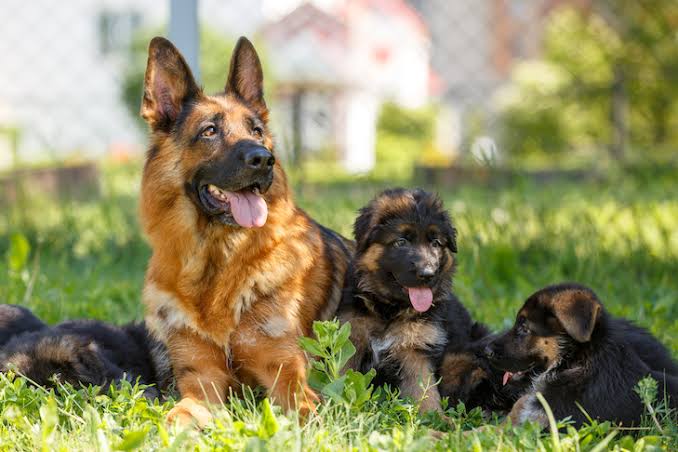
The German Shepherd is one of the world’s most recognized, respected, and versatile dog breeds. Originally bred in Germany for herding and guarding sheep, their extreme intelligence, unparalleled loyalty, and athletic prowess have made them the gold standard for family protection, police work, and dedicated companionship.
🧬 Physical Characteristics
The Build: A balanced, muscular, and elongated frame. They possess a deep chest, a strong straight topline, and an athletic, ground-covering trot.
Coat Varieties: They feature a dense, weather-resistant double coat designed to handle harsh outdoor climates. This includes the Standard Stock Coat and the highly sought-after, fluffy Long Stock Coat (Long Coat GSD), often characterized by distinct feathering around the ears, chest, and tail.
Color Profile: Most commonly recognized in the classic black-and-tan, solid rich black, or bi-color patterns.
- 🧠 Temperament & Personality
Unwavering Loyalty: GSDs form a profound, unbreakable bond with their immediate human family. They are incredibly devoted and will instinctively look out for their household.
High Intelligence: Consistently ranked among the top three smartest dog breeds. They don’t just learn commands quickly; they thrive on having a “job” or task to perform.
Naturally Watchful: While aloof or reserved with strangers at first, they are not naturally aggressive without cause. A well-bred German Shepherd stands its ground with quiet confidence and sharp alertne🍖 Comprehensive Care & Nutrition Guide
Owning a German Shepherd is a deeply rewarding experience, but their high intelligence and physical power require consistent, structured care.
1. Diet & Premium High-Altitude Nutrition
Because German Shepherds are large, active working dogs, their diet must support rapid puppy growth phases and long-term joint health.
Protein-Rich Diet: Feed high-quality large-breed formulas where real meat (chicken, lamb, or fish) is the first ingredient. Active adults require a minimum of 22% protein, while growing puppies need around 24–26%.
Joint Supplements: GSDs are structurally prone to joint issues. Ensure their food contains optimal levels of Omega-3 fatty acids, Glucosamine, and Chondroitin to protect cartilage and maintain mobility.
Preventing Bloat (GDV): Like many deep-chested breeds, they are at risk for Bloat (a dangerous stomach twisting). Crucial Rule: Never use a raised food bowl unless medically directed, feed 2–3 smaller meals a day instead of one massive feast, and strictly restrict heavy running or exercise for 1 hour before and after eating.
2. Physical Exercise & Mental Stimulation
A bored German Shepherd can become anxious, vocal, or destructively energetic. Physical workouts must be paired with mental challenges.
Daily Physical Needs: Expect to dedicate 60 to 90 minutes daily to vigorous exercise. This should include brisk walks, fetching sessions, hiking, or agility training.
Brain Work: Because they are working dogs, they need mental puzzles. Use interactive chew toys, scent-tracking games, and daily trick training sessions to exhaust them mentally.
Puppy Growth Caution: While puppies have boundless energy, their growth plates don’t fully close until around 18 months of age. Avoid strenuous high-impact jumping, prolonged running on hard asphalt, or intense downhill pulling until they are fully grown to protect their developing joints.
3. Training & Crucial Socialization
A powerful protector needs a confident, gentle handler. Training should begin the very day your puppy arrives home.
Early Socialization: Expose your puppy to a wide variety of sights, high-altitude terrain sounds, children, traffic, and other animals between 8 and 16 weeks of age. This ensures their natural protective instinct develops into stable, confident guarding behavior rather than fear-based reactivity.
Positive Reinforcement: GSDs respond exceptionally well to praise, toys, and food rewards. Firm, consistent, and reward-based training builds a willing partner, whereas harsh corrections can damage their sensitive, loyal nature.
4. Coat Maintenance & Grooming
German Shepherds are affectionately nicknamed “German Shedders” for a reason. They shed continuously year-round, with two massive seasonal blowouts.
Brushing Routine: Standard coats need a thorough brushing 2 times a week. Long Coat varieties require brushing 3 to 4 times a week using a slicker brush and an undercoat rake to prevent painful matting behind the ears and thighs.
Bathing: Bathe only once every 6–8 weeks (unless they get exceptionally muddy). Over-bathing strips the natural, weatherproofing oils from their double coat, leading to dry, itchy skin.
Basic Hygiene: Clip nails every 3–4 weeks, check their upright ears weekly for wax buildup or redness, and brush their teeth regularly to maintain dental health.
Pro-Tip for Mountain Living: The German Shepherd’s dense double coat makes them incredibly well-adapted to cooler climates, snowy winters, and mountain trail terrains. However, during the peak summer months, ensure they always have access to shaded resting areas, cool indoor spaces, and plenty of fresh water to prevent overheating.

Reviews
There are no reviews yet.